After I read David Roberts’ In Search of the Old Ones in January, I moved the Manitou Cliff Dwellings higher on my list of things to see/do before I leave Colorado. So I took advantage of a warm afternoon last week to check out this attraction, which I don’t think I’ve ever visited before. (If I did, I was very young and don’t remember.)
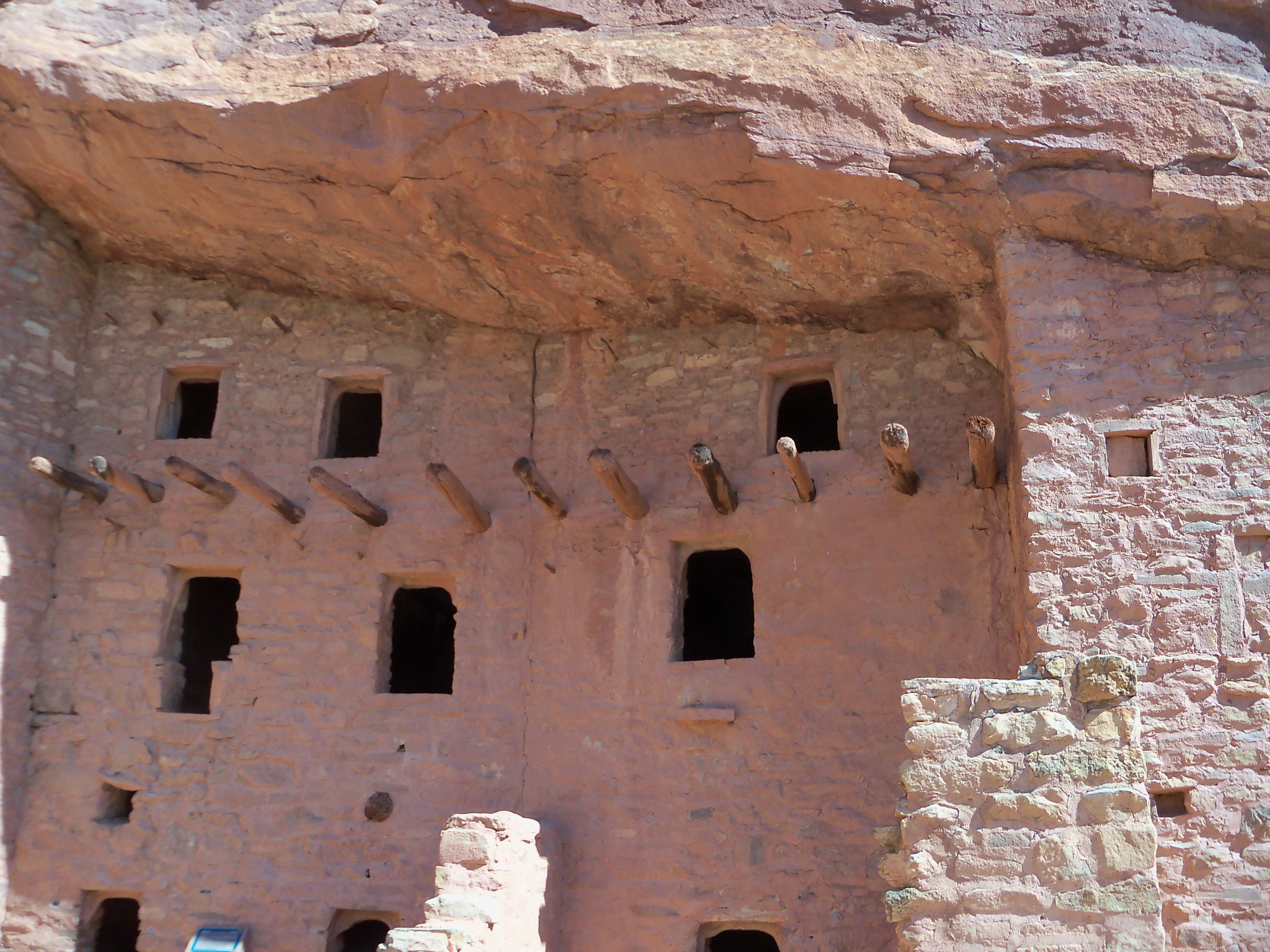
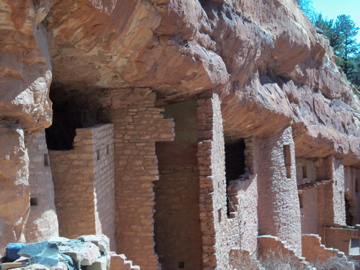
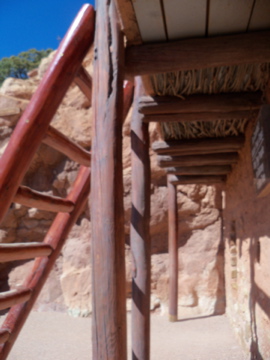
The cliff dwellings were built by the Anasazi and date, according to publicity materials, to between 1100 and 1300 (AD). Unlike Mesa Verde–where, from what I understand, the cliff dwellings have not been repaired or updated, and where access is strictly limited–the Manitou complex is completely open to visitors and has undergone a variety of renovations for safety and/or ease. The result is, I imagine, more accessible and less authentic.
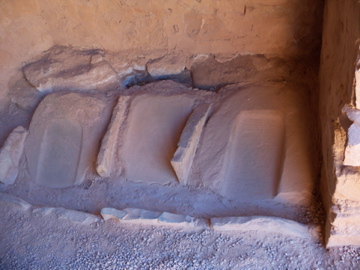
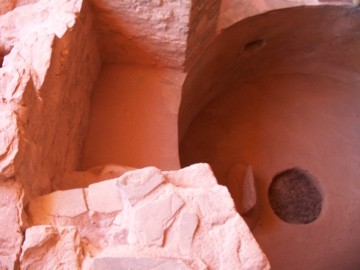
But visitors can still view a variety of original features, such as troughs used to grind corn
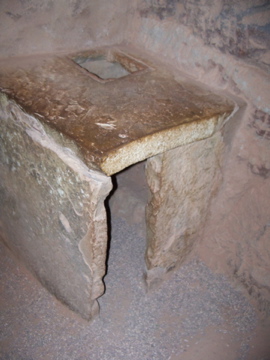
 and a storage box for food
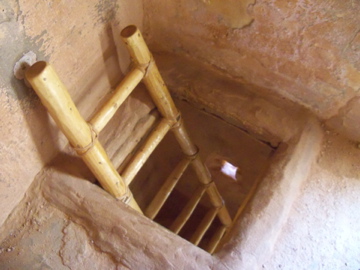
and the ceremonial kiva and surrounding complex.
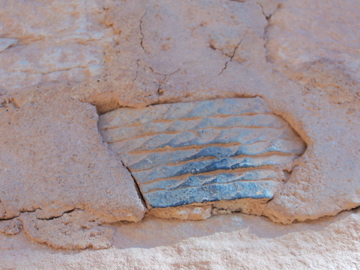
You can even see the pottery shards embedded in some of the walls.
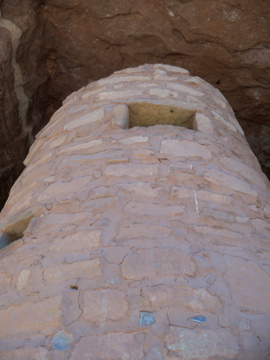
There are also well-preserved pictographs.
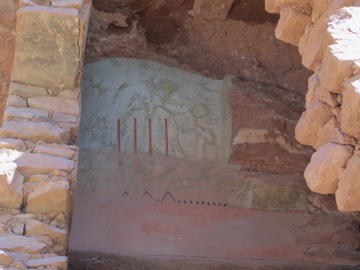
Seems like the Anasazi who settled here chose both an easily defensible and a beautiful spot.
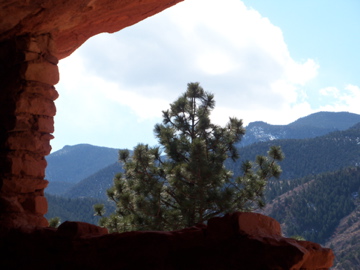
Roberts points out, interestingly, that many of the Anasazi settlements were only inhabited for approximately 20 years before the residents moved on; it seems like an incredible amount of work must have gone into the construction of these dwellings, especially if the inhabitants stayed there so briefly. It’s a testament to their engineering and building techniques that their former homes are still so largely intact today.
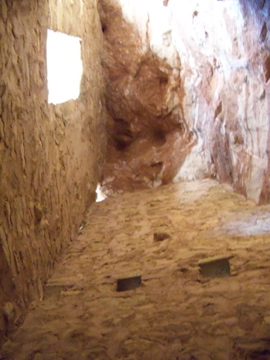
That said, I wouldn’t care to live here: the rooms are tiny, both low-ceilinged and narrow, and many of the larger buildings served as multi-family residences.
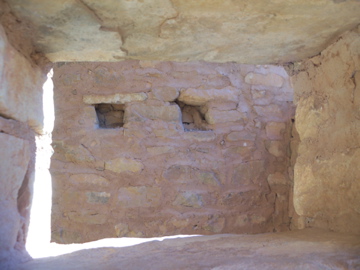
Overall, an interesting and fun place to visit, although the flute music piped through the dwellings got very annoying very quickly (and made the experience more campy than authentic–I doubt the Anasazi went about their daily lives to a constant flute chorus). And if you go to the gift shop, be sure to check for authenticity before you purchase any “Native American” artifacts: an alert fellow shopper during my visit noted that the “Navajo reed baskets” all sported “made in Pakistan” tags.
 Monique Bos
Leave a comment