In the anticipation/ hope that my time in Colorado Springs is limited, I’ve started back on my “while I’m here” bucket list. Accordingly, a couple weeks ago I visited the Ghost Town Museum off Highway 24.

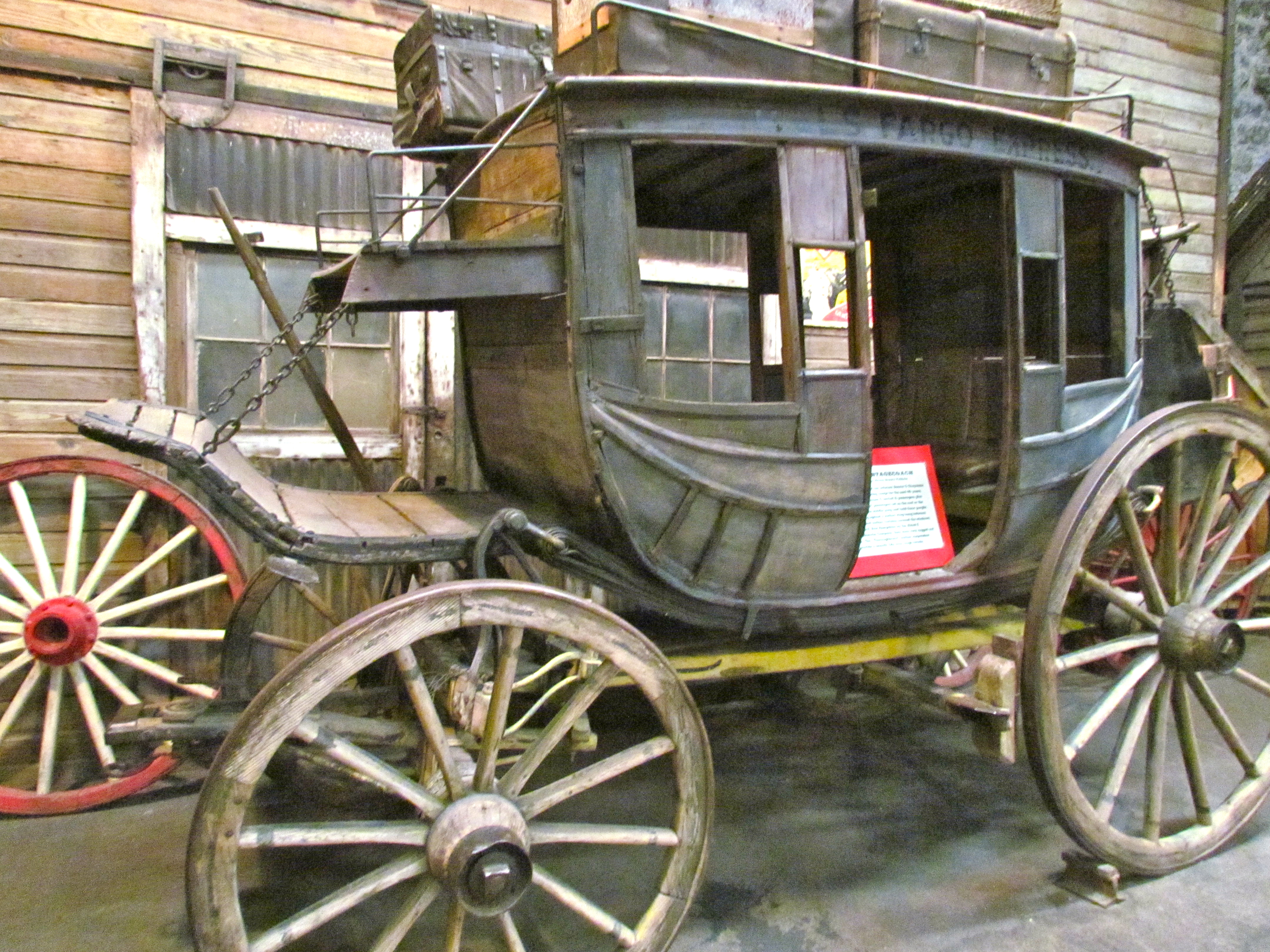
It’s set up as an Old West town inside this huge shed. Various buildings — jail, blacksmith shop, general store, print shop, rooming house, barber shop, apothecary, bar, and even a red-light upstairs room — showcase a variety of antiques and items from the mid 19th to early 20th century. And, as the photo shows, they also have conveyances from carriages to cutters to stagecoaches to early cars.
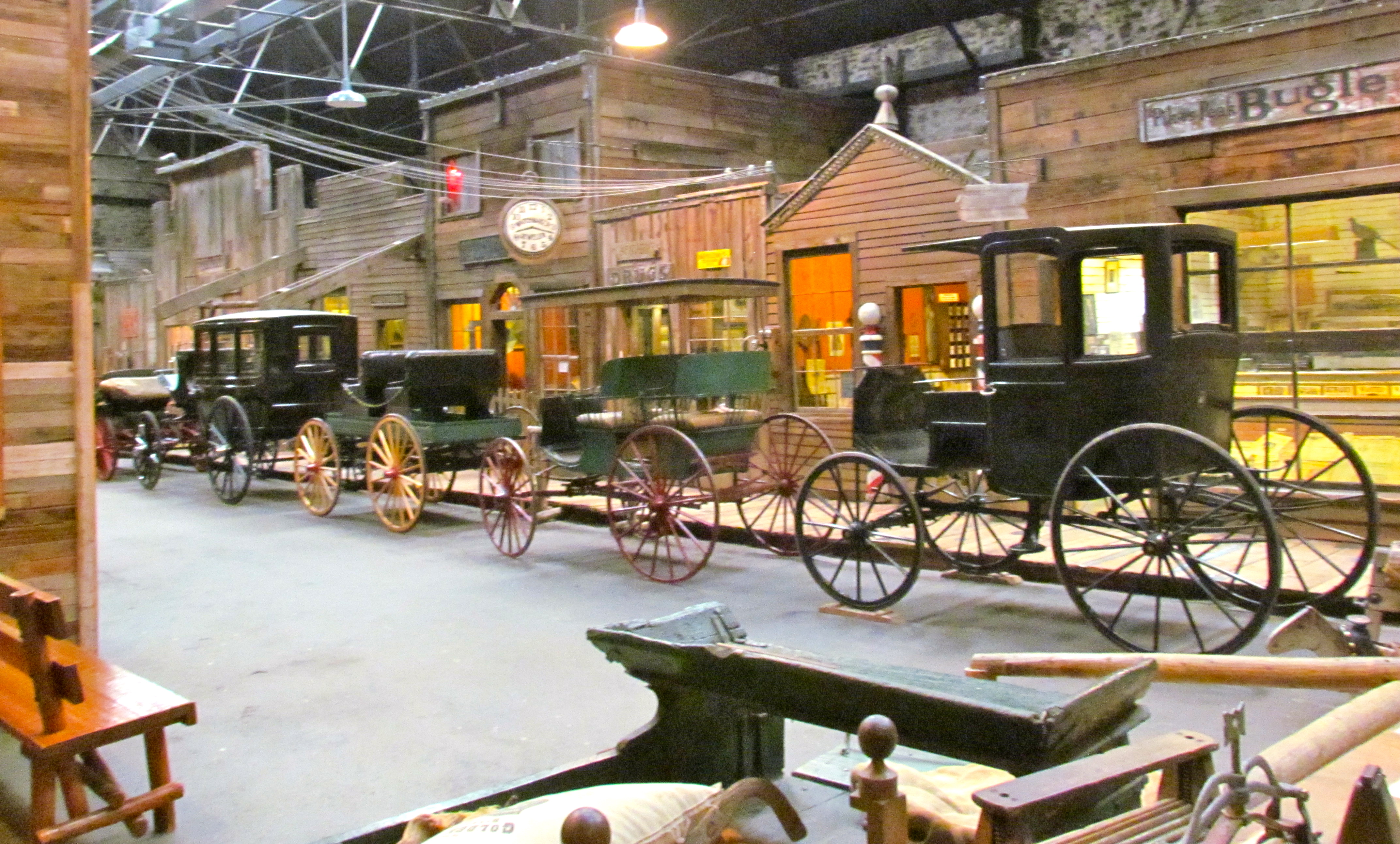
The result is sometimes informative (and helpful for a current writing project, in ways I didn’t anticipate)
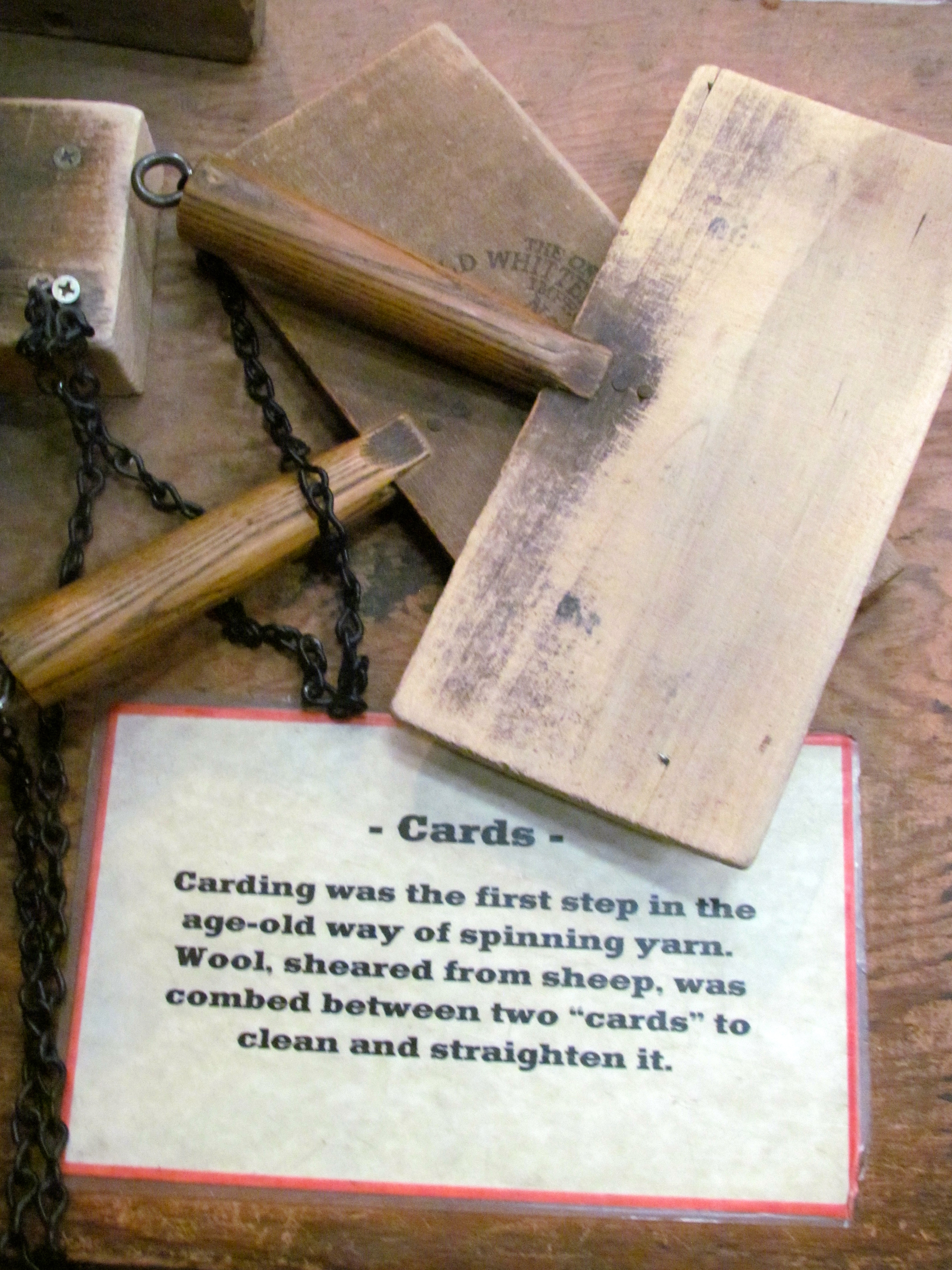
and often chaotic (view below is from one of the windows into the general store).
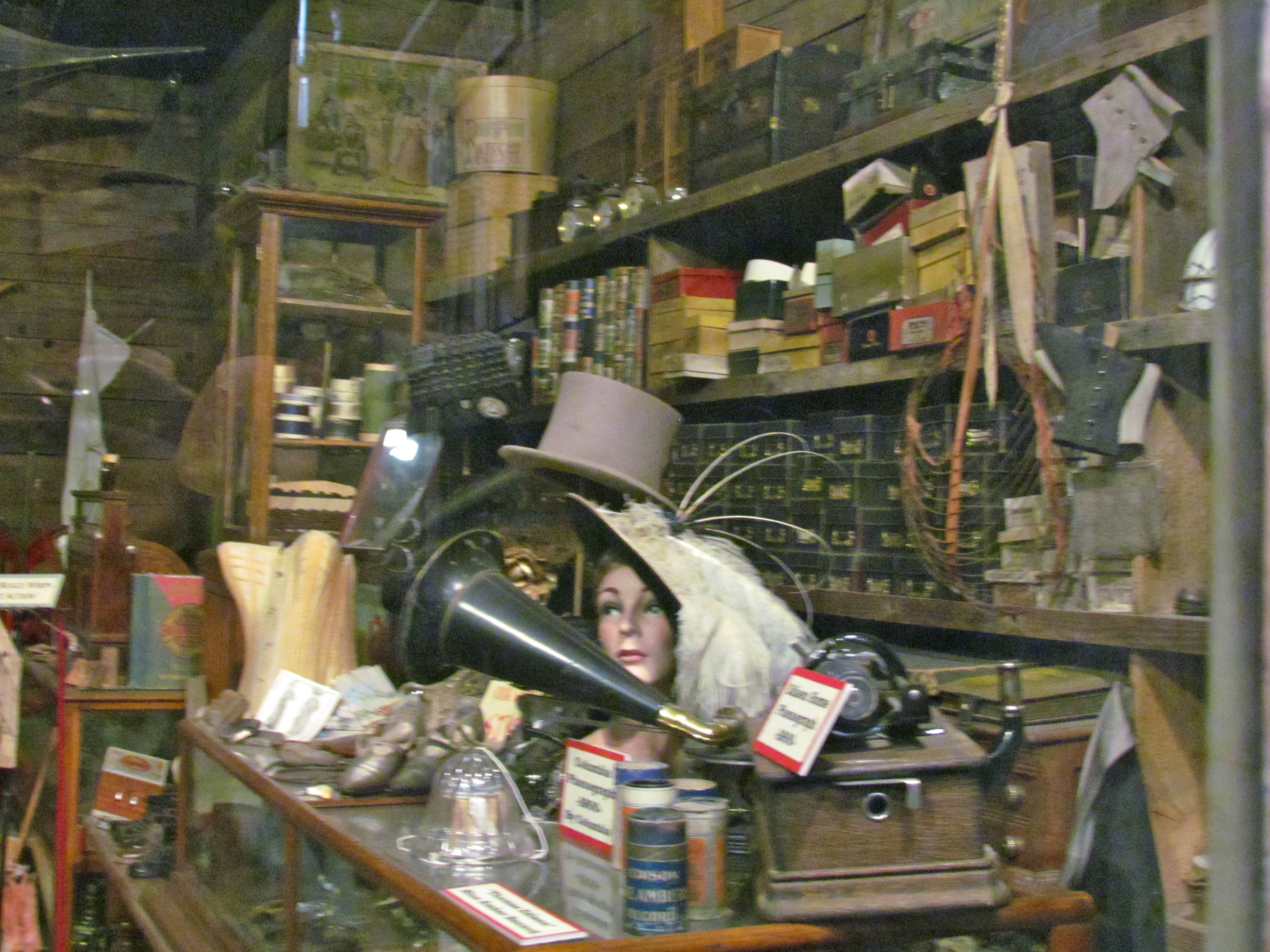
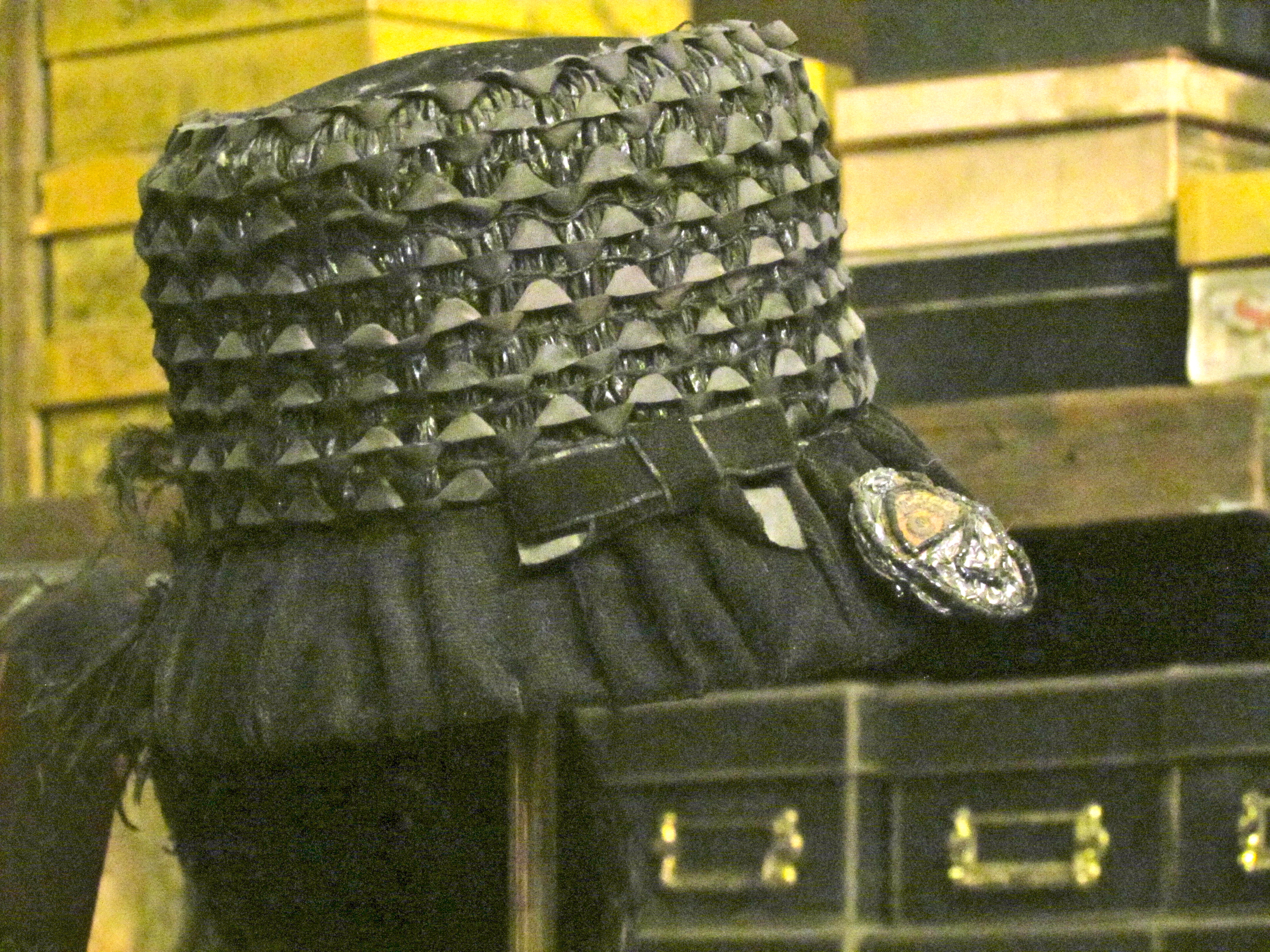
Some of the items — hats, shoes, hairpins — reminded me of how heavily the goth aesthetic is influenced by the Victorian era.
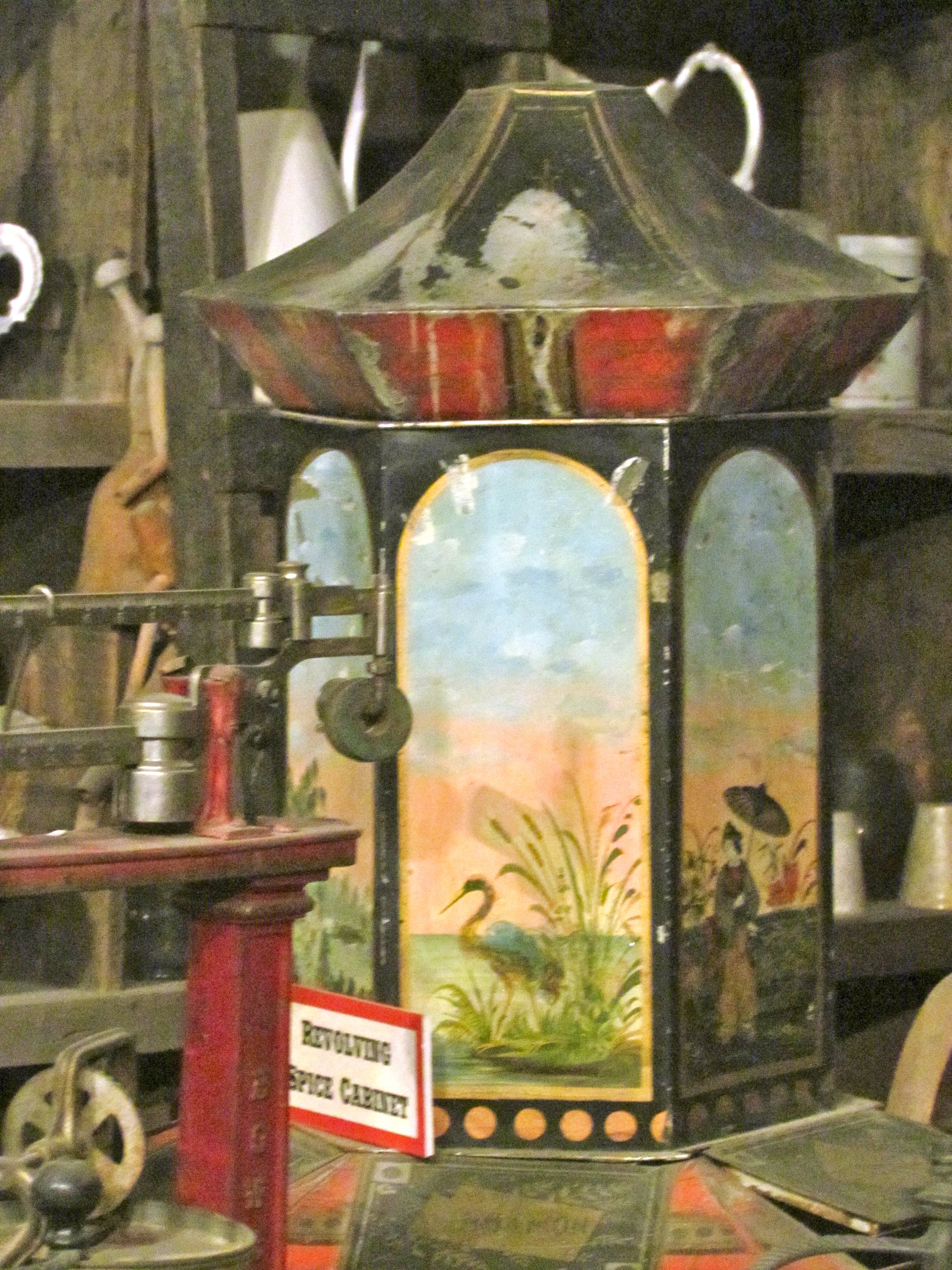
And how cool would it be to have this rotating spice cabinet in your kitchen?! I want one.
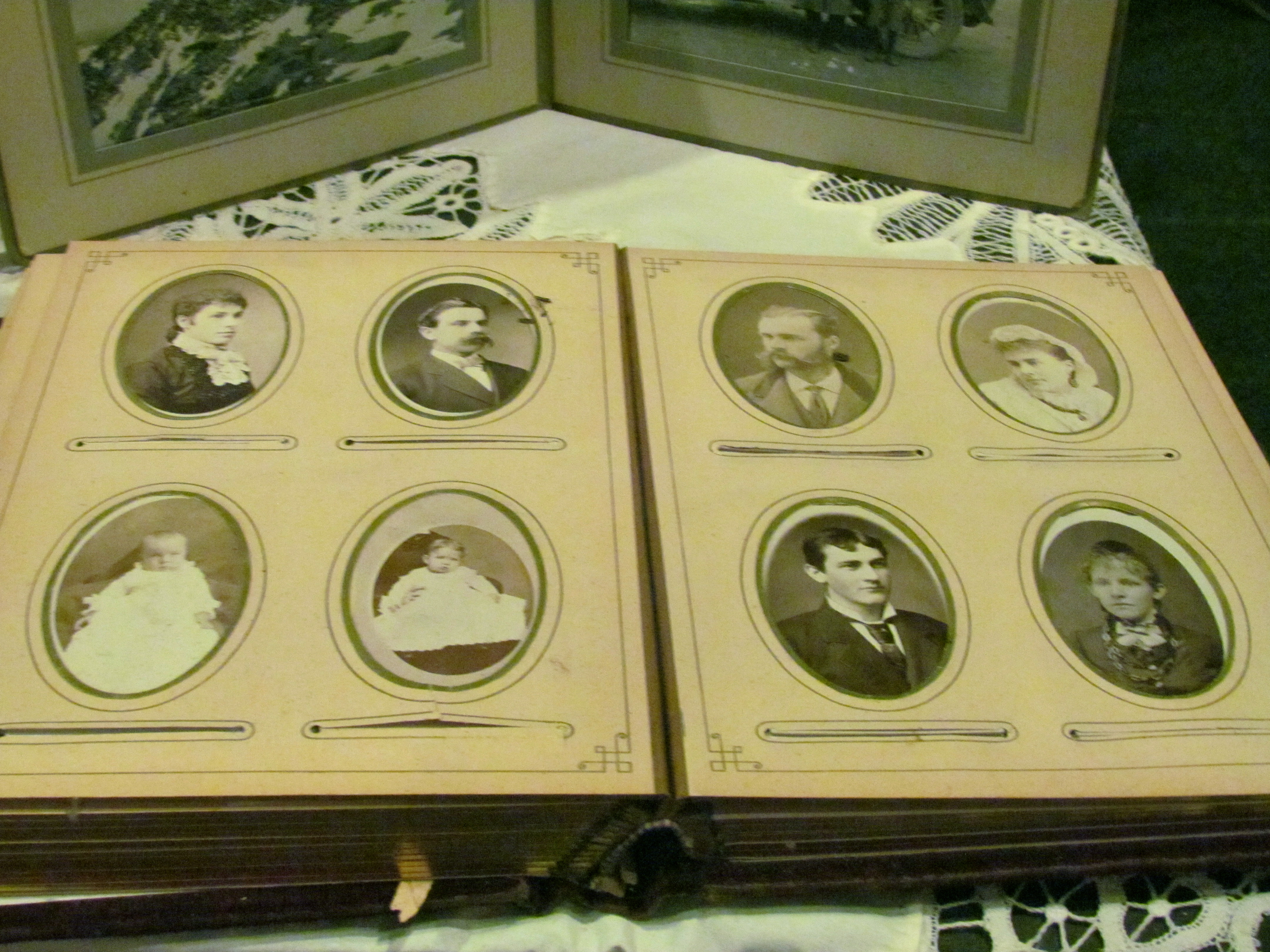
One of the highlights for me was, of course, the print shop, where a slew of old books, typewriters, and cameras were displayed.


{{Drool}}

Melodramatic as it might sound, I got a very dark feeling from this old Concord stagecoach: something haunts it, I think, and a story is germinating right now….
Through a small courtyard, you pass to the Old House, where you can see rooms furnished with antiques; mannequins depicting family members working, dining, and playing; and lovely decor.
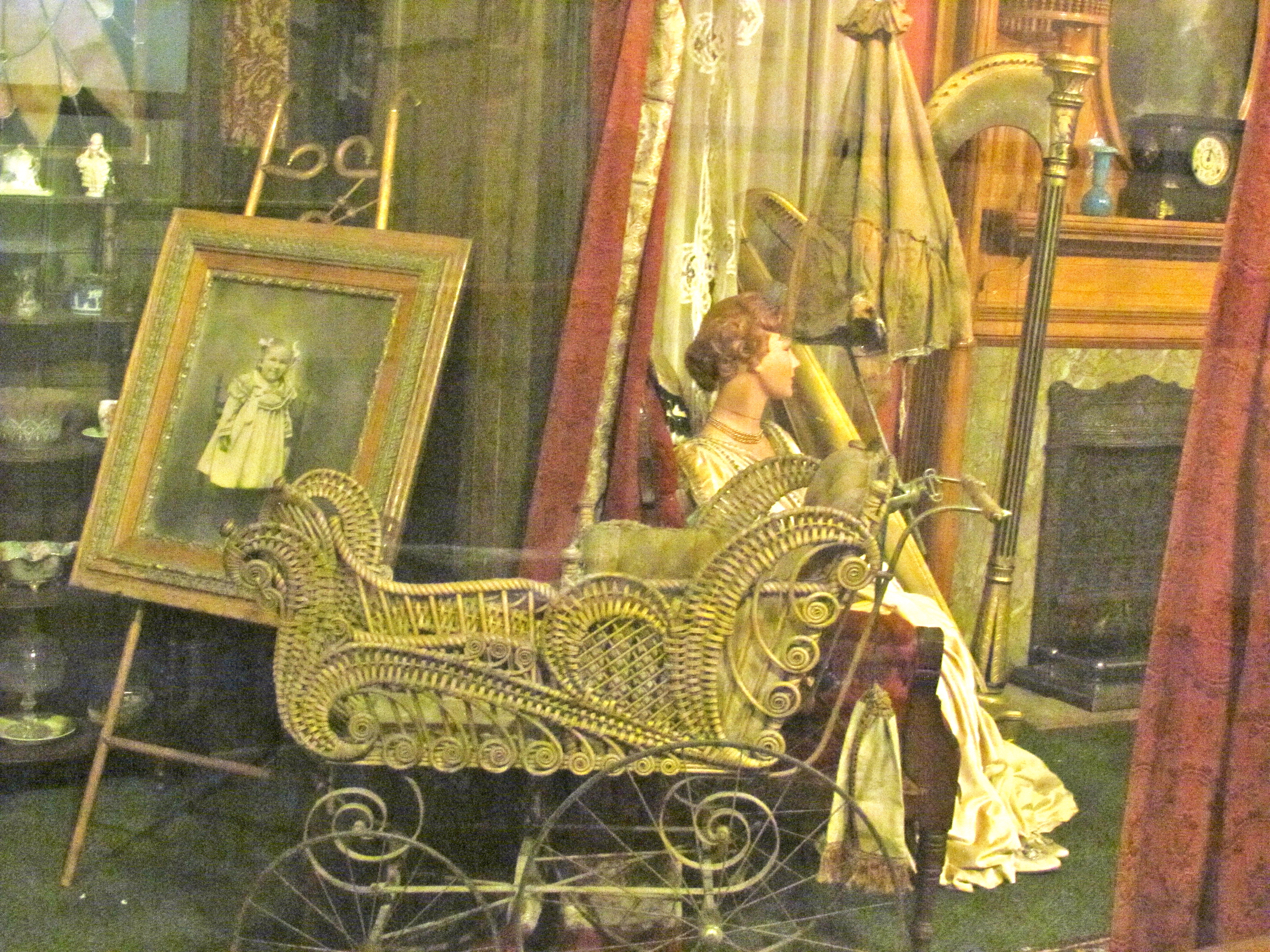
Below is the most elaborate baby carriage I’ve ever seen, complete with parasol (this isn’t a great photo, but you can kind of see the parasol in front of the harp). It’s gorgeous, isn’t it?
This massive family Bible has its own stand.

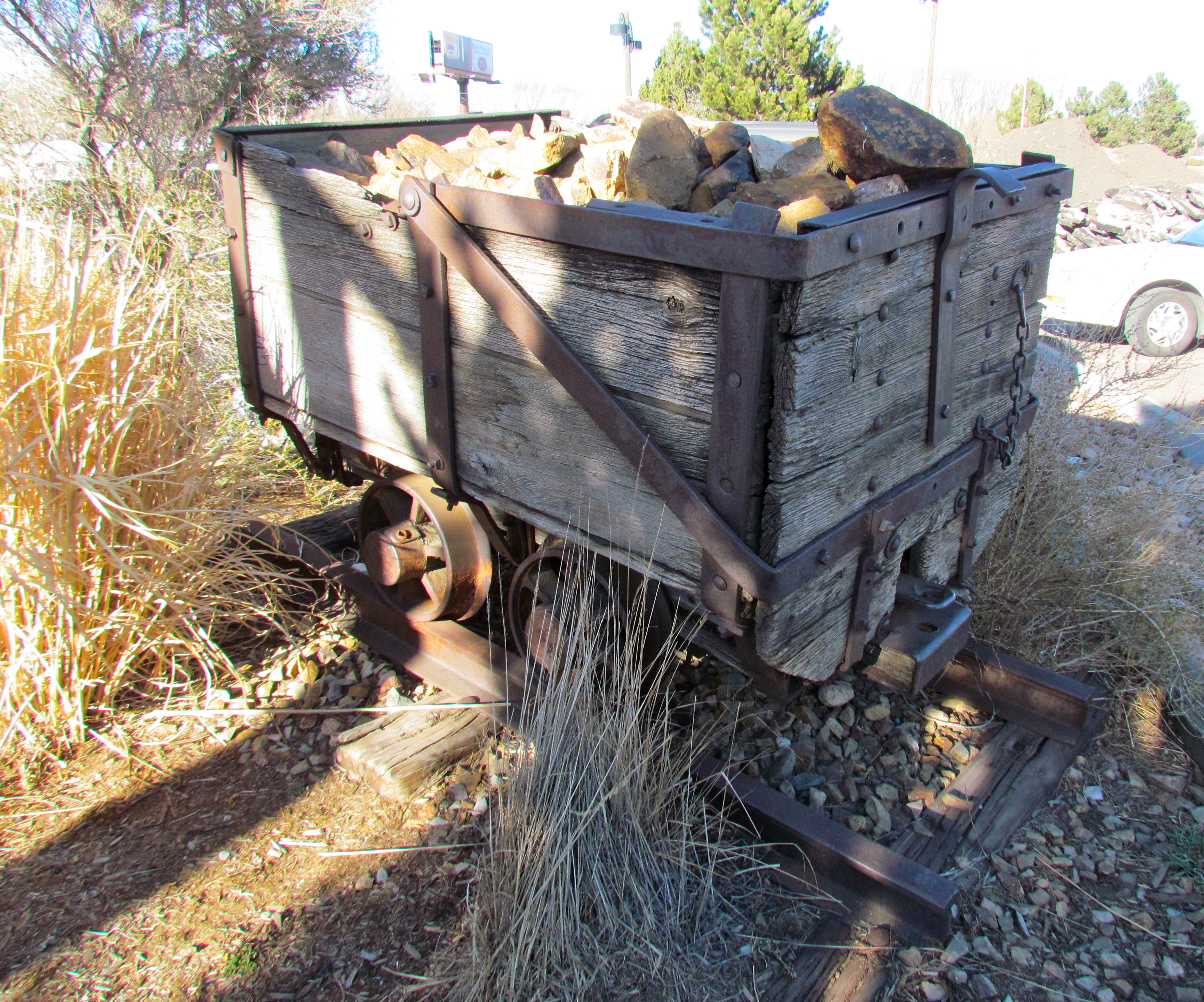
In keeping with local history, the ghost town also has an assay office, and you can see an ore cart outside.
Verdict: I’m glad I went but feel like one visit was adequate. There’s an abundance, even a jumble, of items but often a dearth of information and context. I would have appreciated more interpretive signs — even information such as the era of the Old House (Victorian, but what decade?) and the wealth/social status of a family who might have lived in such a place; obviously they would be well-off, but in the sense of a banker or prosperous merchant, or someone who’d hit the mother lode?
While this is a fictional re-creation of a ghost town (almost all of which, in this area, are mining camps abandoned after no one found significant lodes, mines caved in, or veins played out), I also would have enjoyed a bit of information about some of Colorado’s authentic ghost towns. I think this could have provided valuable background, especially for visitors who aren’t familiar with local history. What were the first permanent buildings (as opposed to tents) usually established in a mining camp? What kinds of goods would a typical general store carry — luxury items such as the above spice rack, or only the staples until/unless local mines turned a profit? And then we have the intriguing red light and silhouette of a waving woman in an upstairs window…
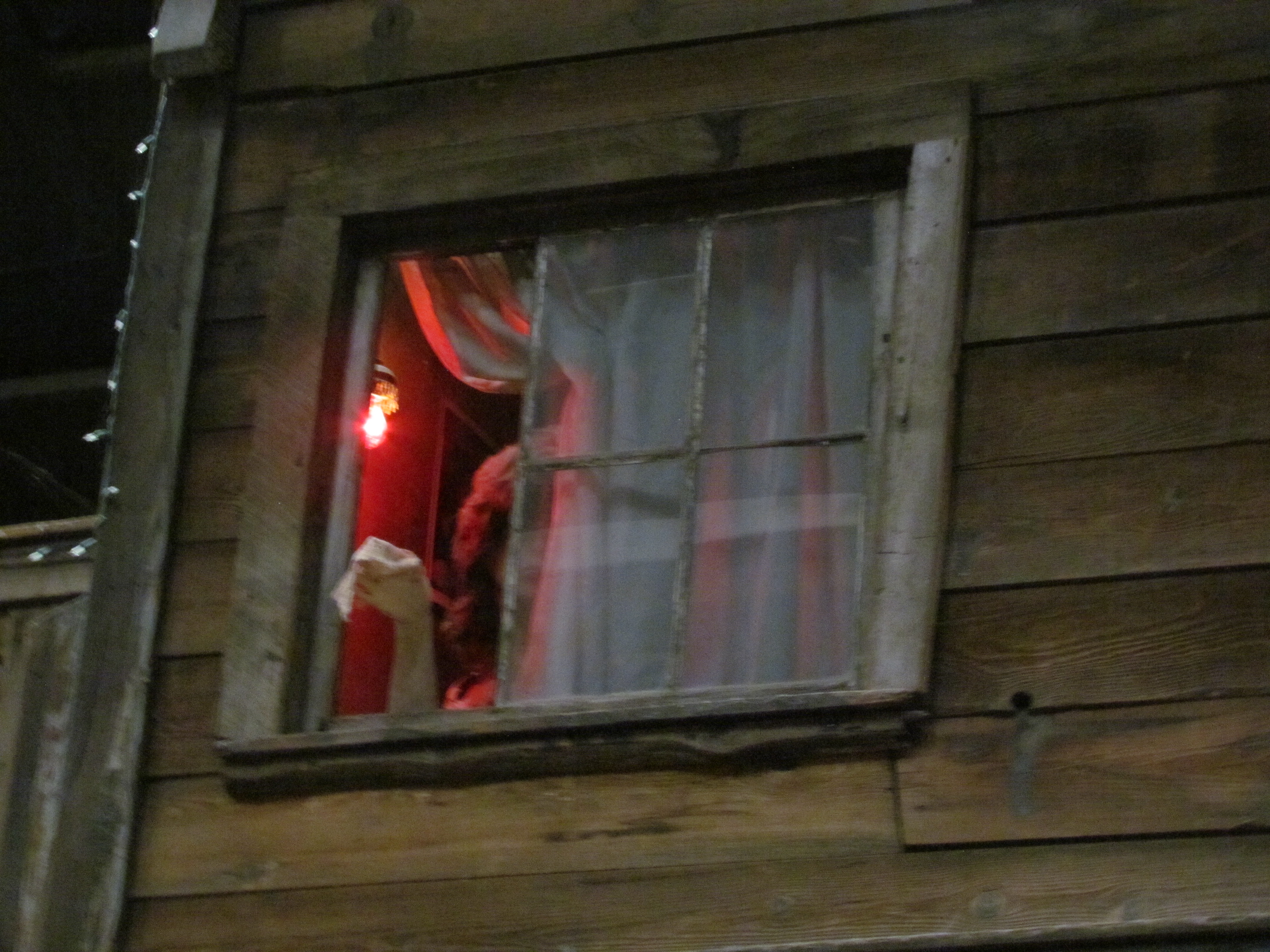
Prostitution in the Old West is a fascinating subject, one about which I’ve done a bit of reading and would like to do more. Some historians credit prostitutes with “civilizing” the rough, rowdy mining towns and bringing culture to places that might otherwise have consisted of nothing but a handful of ramshackle saloons. The most prosperous bordellos — such as the Old Homestead in Cripple Creek, which offers tours and is another place on my Colorado Springs bucket list — were extravagant palaces of entertainment, excess, and hedonism, often overseen by madams of blue blood and education. Sometimes such places provided a venue for prostitutes to meet men seeking wives; some madams even seem to have encouraged this, rather than wanting their “girls” to remain in the life. On the opposite end of the spectrum, of course, were the women who operated out of tiny cribs and often died young and badly of disease, addiction, or murder. It’s easy to glamorize historic prostitution or to see all the women as victims; the truth, from what I’ve read, is that both stereotypes have some accuracy, and many, many stories fall between the extremes. At any rate, I think even rudimentary information about prostitutes would have enhanced that waving arm.
One more note: The ghost town contains a lot of old stuff in an enclosed space, and it’s very musty. As soon as I got home, I threw every piece of clothing I was wearing into the laundry and took a shower to wash the smell from my hair. If you have any susceptibility to dust, mildew, mold, etc., take an allergy pill before you go!
The most important factor, for me, is that I came away with several ideas for stories — and that alone, even if I hadn’t enjoyed looking at and photographing all those artifacts, made it time and money well spent.
 Monique Bos
Leave a comment